Building date:
Original use:
Corner structures:
Mortar application and content:
Types and uses of stones: Small water-washed stones of various colors.
Types and choice of windows:
Structures with similar masonry details:
Masons who worked on building:
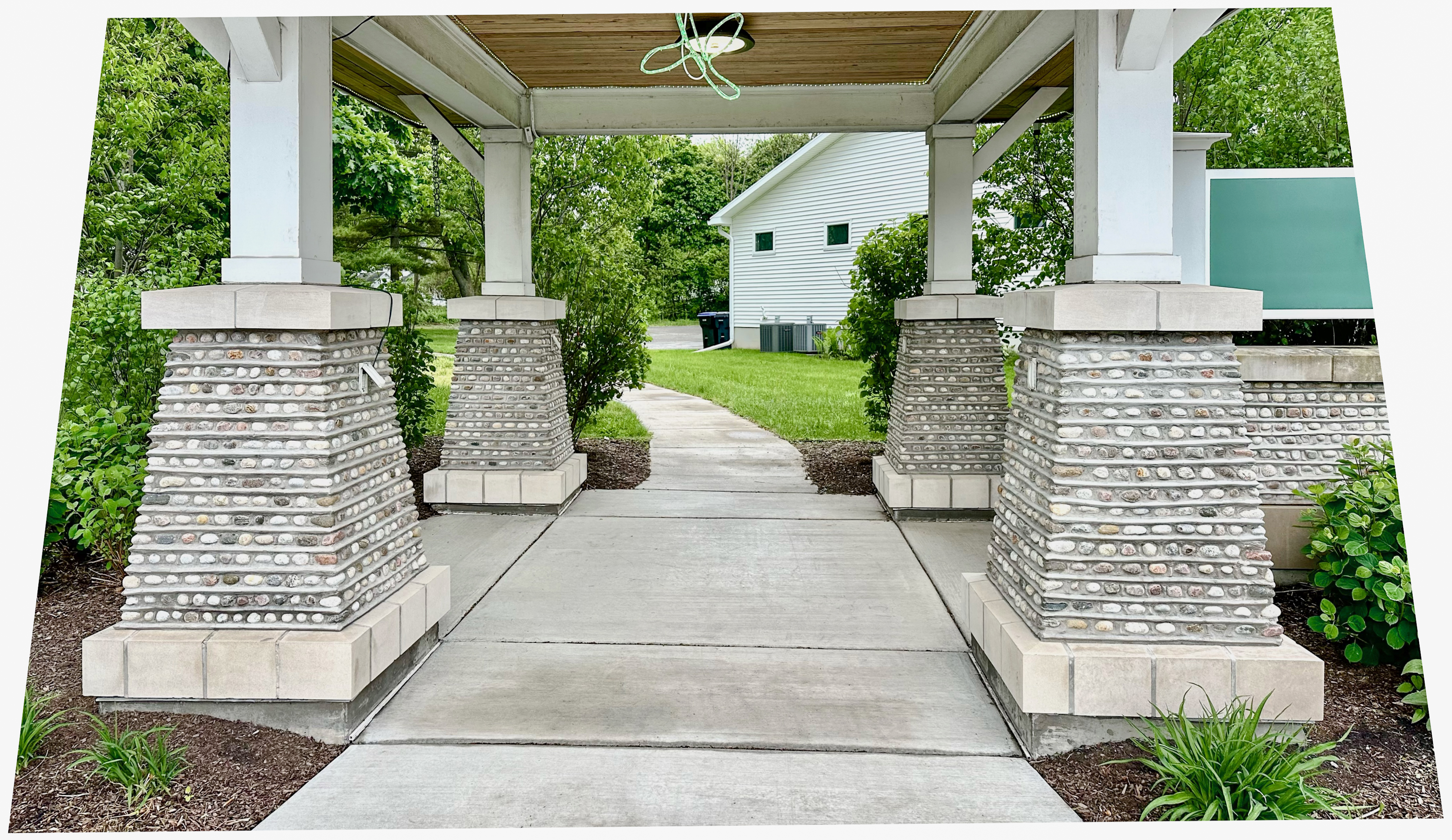
Unique features: Cobblestone foundations for pavilion corner posts.
Map views courtesy Google Maps. Address is Google Earth confirmed; 43°12'55.11"N 77°25'48.05"W.
Town of Webster and Monroe County Maps
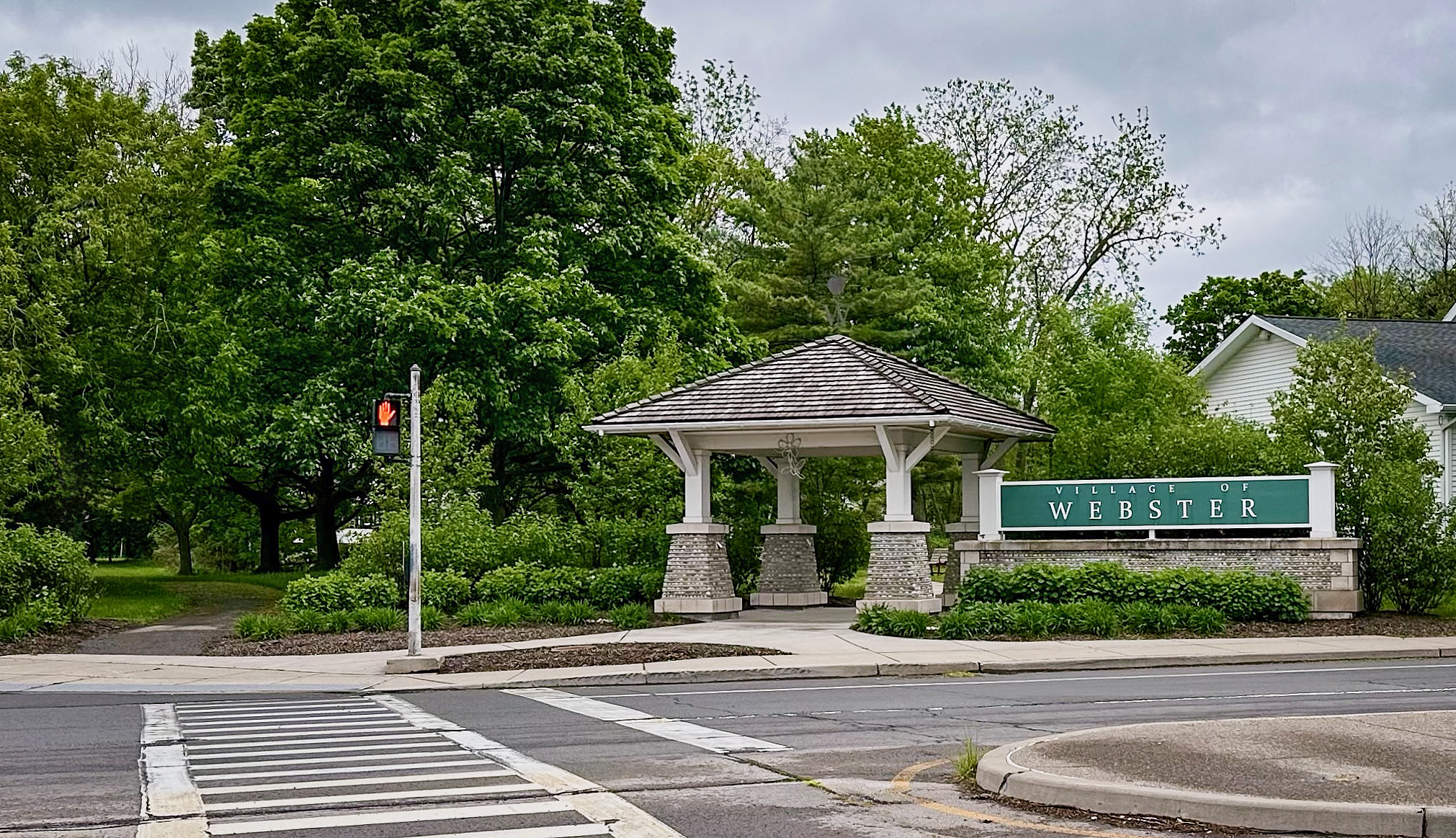
The Pavilion is between the sign for the Village of Webster and next to the western entrance to the Rt. 104 Bike Path.
The exterior of the bases for the pavilion posts appear from the Google street level view to be decorated with neat rows of select, small, water-washed stones in mortar consistently shaped artistically by the mason with tools; therefore, the construction of the cobblestone veneer for the bases is considered to be authentic in appearance for this application.
Editor's Note: This structure is considered to be in the category of "New Construction". That is opposed to the original, cobblestone construction and materials used for authentic structures from about 1825 to 1868, which includes the large majority of structures detailed in this Cobblestone Info Base.
Hypothetically, an authentic cobblestone house can be built today, even using methods, materials and construction techniques of the first half of the 1800s; however, the effort and cost would be very impractical and costly. If it were done, the only difference would be 200 years of time. No two authentic 1800 structures are identical; moreover, an individual structure varies from exterior wall to wall. There is such a wide variety of variables in construction and materials, that there is a long bell curve of worst to best examples of authentic 1800's cobblestone construction.
There are only three major, consistent factors in the best authentic construction: 1) Carefully selected and sized stones are arranged in straight, consistent height, stacked rows. 2) The stones are set into lime mortar that is tooled consistently the same, often decoratively done. And 3) Most structures have quoins or pilasters in the corners. When the variables are considered, the result is that no two authentic cobblestone structures are alike, and there is a big spread between best to worst. Factor in worst going to a gray zone and beyond that considered to be faux structures that do not typically have the first, "1)", of the three major consistent factors.
 Web-10 IMG_4952.jpg ¹ June 2025 | 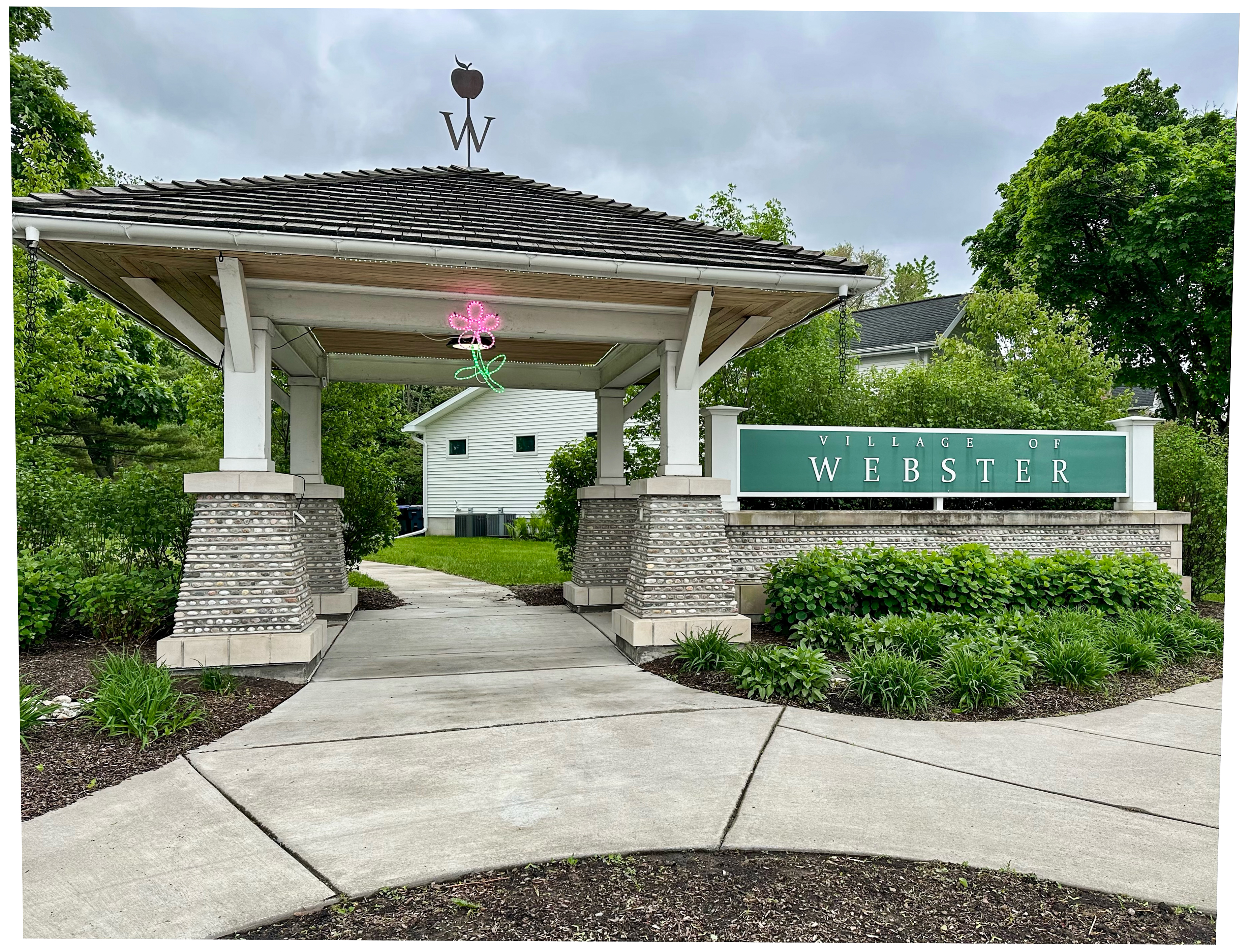 Web-10 IMG_4953.jpg ¹ June 2025 | 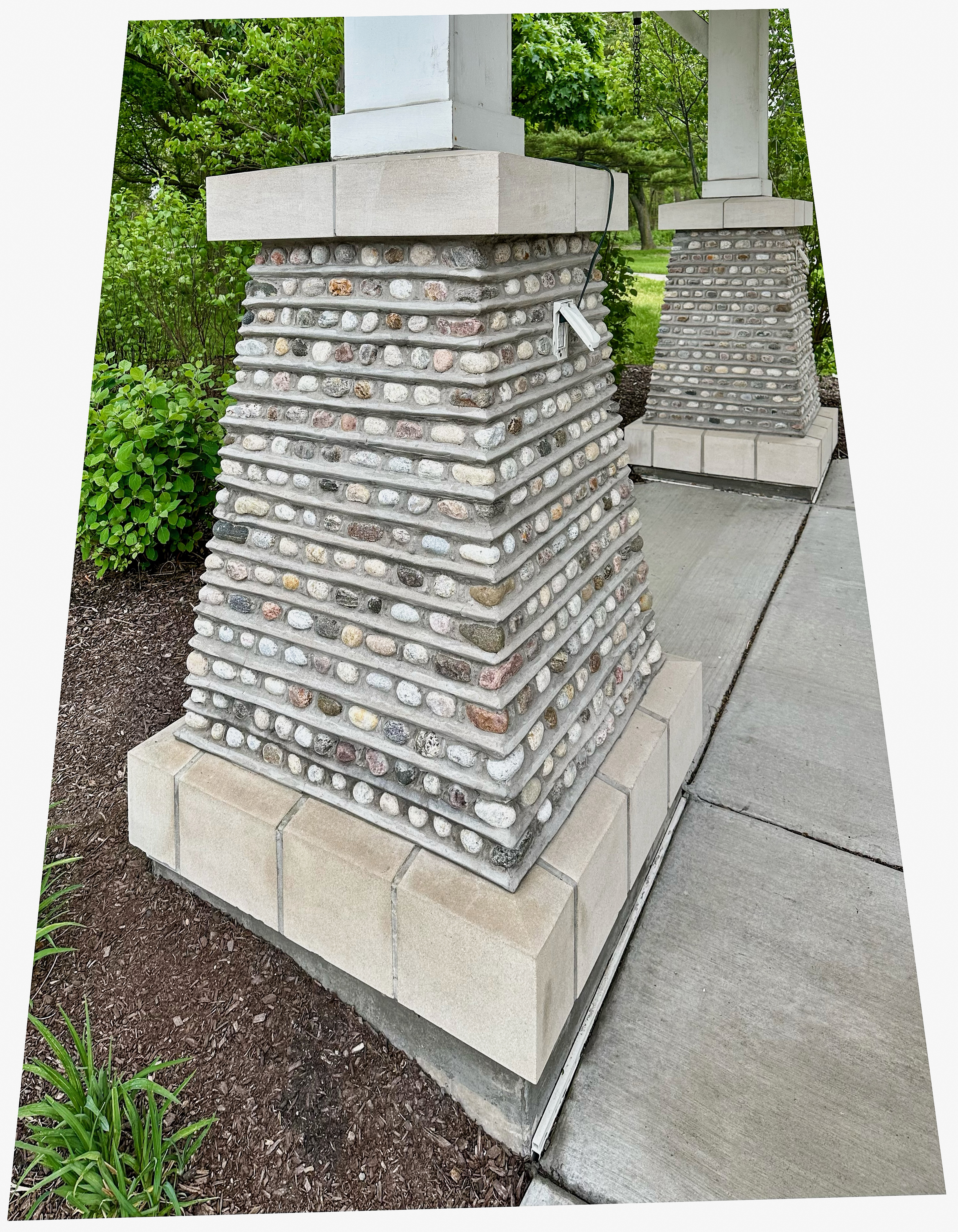 Web-10 IMG_4954.jpg ¹ June 2025 | 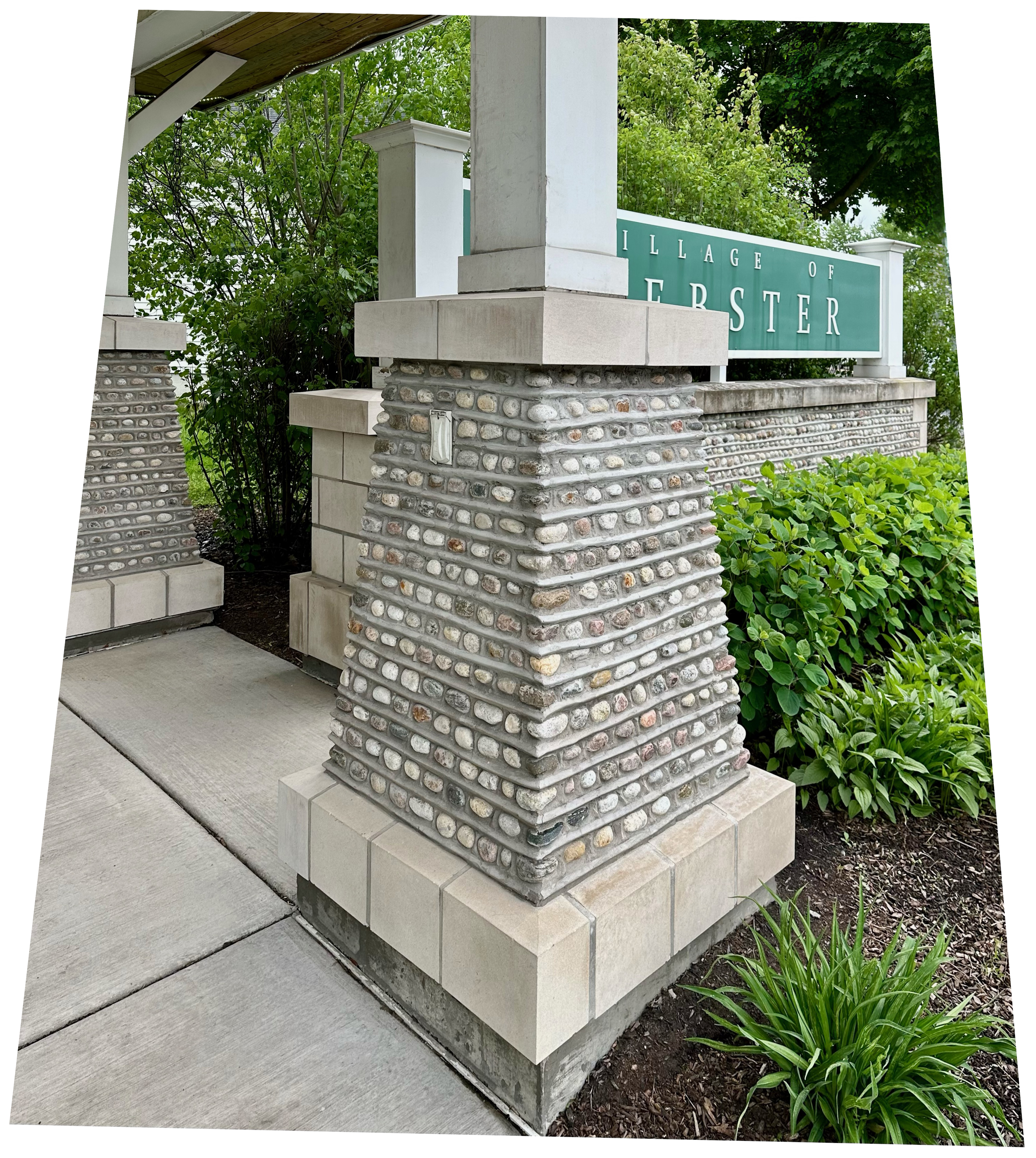 Web-10 IMG_4955.jpg ¹ June 2025 |
 Web-10 IMG_4956.jpg ¹ June 2025 | 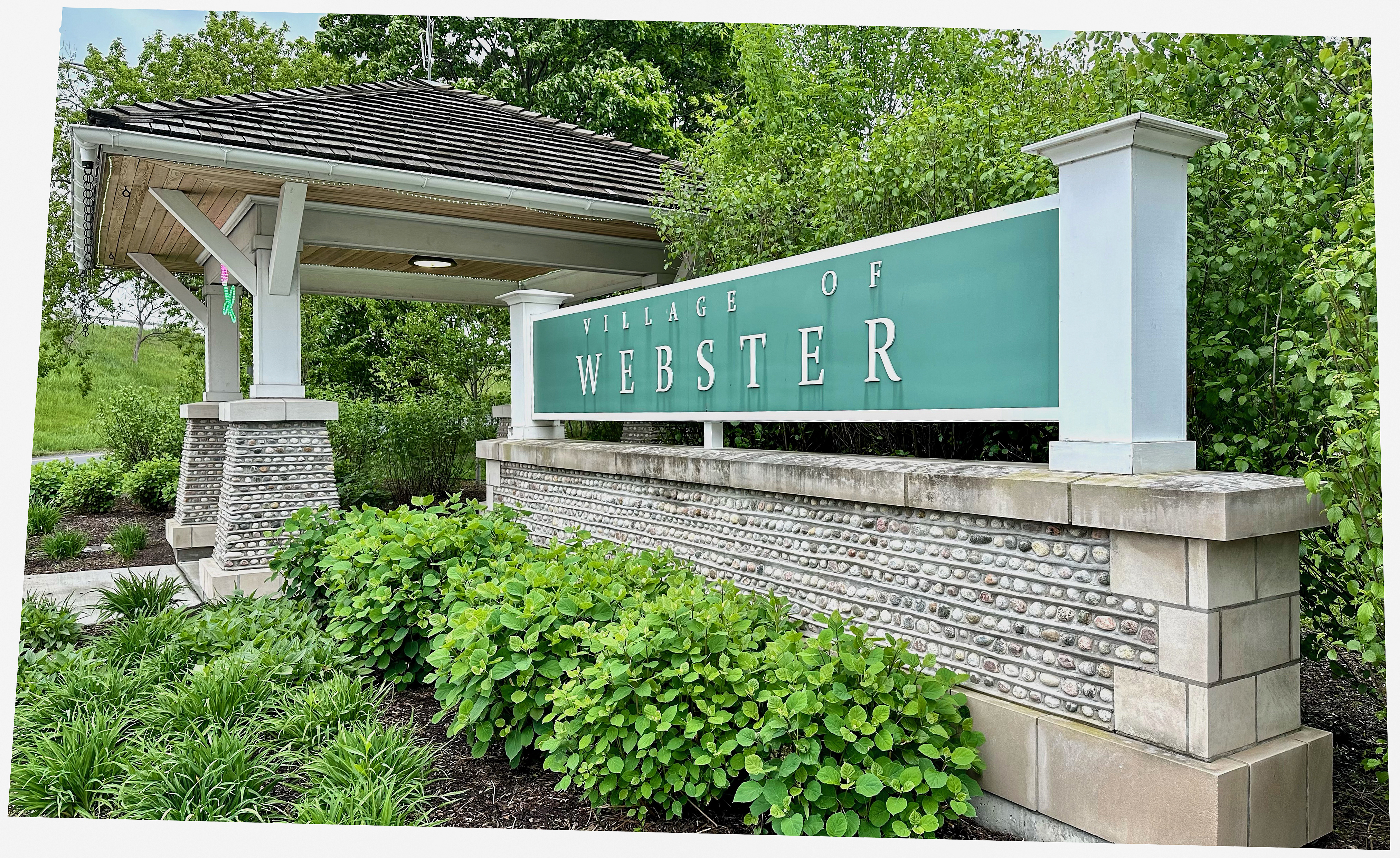 Web-10 IMG_4957.jpg ¹ June 2025 |  Web-10 IMG_4958.jpg ¹ June 2025 |
¹ Photography courtesy Gene Bavis
